
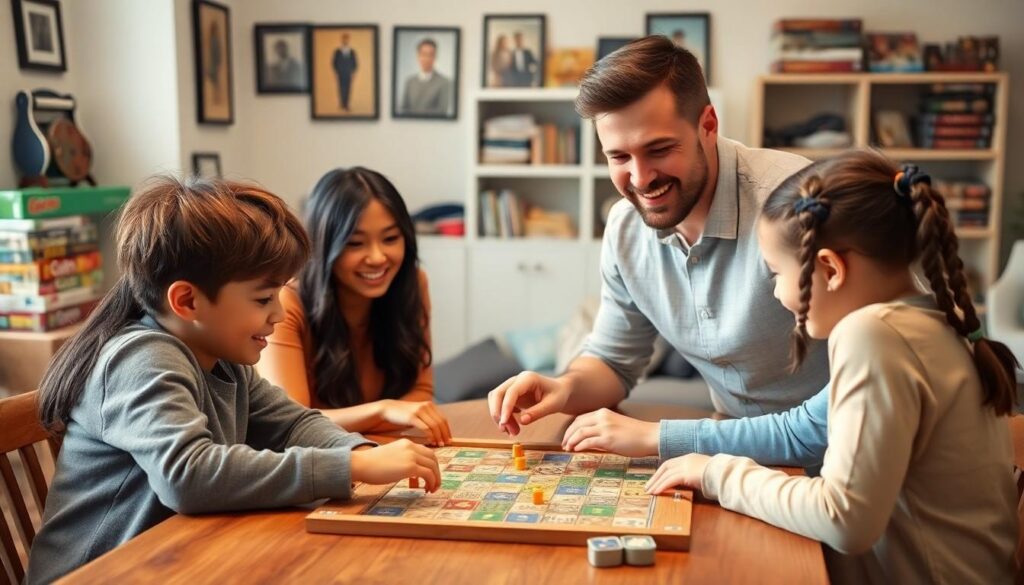
Family game night can be a blast or a total snooze fest. It’s all about picking the right games to keep everyone entertained and engaged. Imagine the laughter echoing through the house as competitive spirits rise and silly antics unfold. The right game can turn an ordinary evening into a cherished memory, and who doesn’t want to be the family hero with the ultimate game choice?
What Are Good Family Games?
Good family games encourage collaboration, creativity, and connection among family members. Popular options include classic board games such as Monopoly and Scrabble. These games have endured through generations because they engage players in competition and strategy.
Card games also offer fun for families. Uno and Go Fish provide simple rules and quick rounds, making them accessible for all ages. They promote interaction while ensuring younger players remain involved.
Outdoor games can enhance family gatherings. Capture the Flag, Cornhole, and Frisbee golf encourage physical activity and teamwork. Families enjoy the fresh air and bonding that such games bring.
Video games represent another avenue for family entertainment. Cooperative games like Overcooked and Minecraft engage family members in problem-solving and teamwork, providing a unique shared experience. These games cater to various interests and skill levels, ensuring inclusivity.
Family activities like trivia nights or scavenger hunts foster learning and laughter. Trivia games challenge knowledge on various topics, catering to different age groups. Scavenger hunts spark adventure, driving families to explore their surroundings.
Ultimately, selecting good family games depends on involvement levels and preferences. Each game choice should consider the family’s age range, interests, and desired dynamic. Prioritizing these factors enhances the likelihood of enjoyable and memorable game nights.
Benefits of Playing Family Games

Family games serve as a vital tool for fostering connections and creating lasting memories. Engaging in group activities promotes unity and enjoyment among family members.
Strengthening Family Bonds
Playing games encourages collaboration and teamwork. Families interact more meaningfully when working towards common objectives. These shared experiences often lead to laughter and joy, reinforcing love and support. Regular game nights contribute to a sense of belonging, enhancing emotional connections. Personal stories and discussions emerge during gameplay, helping family members know each other better. Successful game nights create cherished memories, solidifying relationships over time.
Enhancing Communication Skills
Games that require strategic thinking and problem-solving boost communication abilities. Family members practice articulating their thoughts and feelings while discussing moves. Active listening becomes paramount as players share ideas. Non-verbal communication, such as body language and facial expressions, often reveals emotions and intentions. Constructive conversations arise in competitive and cooperative games, fostering respect and understanding among players. Overall, regular game nights cultivate a supportive environment, enhancing the family’s communication skills.
Types of Good Family Games
Good family games come in various forms, each contributing to fun and engagement during game nights. The variety ensures there’s something for everyone, strengthening family bonds and creating lasting memories.
Board Games
Board games offer strategic and competitive elements that appeal to a wide age range. Popular choices include Monopoly, which involves property trading and negotiation, and Scrabble, a word-building challenge. Families find enjoyment in classics due to rules that encourage critical thinking and interaction. Newer options like Ticket to Ride focus on strategy and planning, drawing in players with their engaging themes. By dedicating time to these games, family members enhance teamwork skills while sharing laughter and conversation around the game board.
Card Games
Card games provide quick rounds and easy-to-understand rules, making them accessible for all ages. Uno stands out with its color matching mechanics, promoting excitement and interaction during play. Another favorite is Go Fish, which emphasizes memory and matching skills. Families enjoy games like Phase 10 for their blend of luck and strategy, ensuring everyone remains engaged. These games foster camaraderie and are perfect for quick fun, allowing players to connect in an informal, relaxed atmosphere.
Outdoor Games
Outdoor games immerse families in physical activity and teamwork, creating a lively atmosphere. Capture the Flag is popular for its combination of strategy and excitement while promoting active play. Cornhole offers a quieter option, focused on skill and accuracy, easily set up in backyards. Families also engage in classic favorites like sack races and tug-of-war that inspire competition and cooperation. During good weather, these games enhance family gatherings, fostering connection through shared experiences and laughter in the fresh air.
Recommended Good Family Games
Exploring a variety of family games enhances the bonding experience and adds excitement to game nights. Here are some suggestions across different categories.
Classic Games Everyone Loves
Monopoly stands out for its blend of strategy and competition, appealing to both young and older players. Scrabble, known for boosting vocabulary, encourages creativity as players form words on a game board. Clue adds an element of mystery and problem-solving, inviting families to gather clues and uncover the culprit. Charades promotes laughter and teamwork, allowing family members to communicate without words. Trivial Pursuit engages players in fun facts and knowledge, making it a favorite for trivia enthusiasts. Each of these classic games fosters interaction and provides opportunities for laughter, strengthening family connections.
Newer Games to Try
Ticket to Ride captivates players with its strategic route-building mechanics, suitable for ages eight and up. Codenames encourages teamwork and deduction as players guess words based on clues from their teammates. Azul introduces creativity through tile placement, appealing to fans of art and design. Pandemic, a cooperative game, champions teamwork as players work together to combat diseases threatening the world. Betrayal at House on the Hill combines cooperative and competitive features, adding an element of surprise with its changing dynamics. These newer games offer fresh experiences while ensuring fun and engagement during family nights.
Tips for Choosing the Right Family Game
Selecting the ideal family game requires consideration of various factors. Assess the age range of players, as age-appropriate games lead to better engagement. Look for games that encourage camaraderie, creativity, and strategic thinking among family members.
Evaluate the complexity of rules. Games with simple, straightforward rules often enhance participation and enjoyment for everyone. Avoid overly complicated games, as they can lead to frustration, especially for younger players.
Consider the group’s interests. Some families may enjoy strategy-based games like Codenames, while others may prefer fast-paced party games like Uno. Matching games to family preferences increases the likelihood of fun.
Explore the dynamics of family interaction. Cooperative games such as Pandemic promote teamwork, while competitive games like Monopoly ignite friendly rivalry. Balance the games based on family dynamics to create an inclusive atmosphere.
Examine the game duration. Games with shorter playtimes may suit families with younger children, ensuring attention spans remain intact. Family members may prefer longer games if they enjoy immersive experiences, allowing for deeper engagement.
Assess the number of players. Choose games designed for larger groups if family gatherings tend to attract many participants. A game that accommodates everyone ensures no one feels left out and fosters a sense of belonging.
Read reviews and ratings for various games. Input from other families can provide insights into engagement levels and overall enjoyment. Researching options helps in narrowing down choices to suit specific family needs.
With this guidance, selecting the right family game becomes far simpler. Prioritizing these factors leads to enjoyable and memorable game nights for all involved.
Conclusion
Choosing the right family games can transform an ordinary evening into a memorable experience. Engaging in activities that promote collaboration and creativity not only sparks laughter but also strengthens family bonds. Whether it’s a classic board game or a modern cooperative video game, the right choice fosters connection and communication.
By considering factors like age range and interests, families can ensure everyone enjoys the fun. Regular game nights cultivate a sense of belonging and unity, making them an essential part of family life. Embracing diverse game options allows families to explore new experiences while creating cherished memories together.


